A first look at Docker AI Sandboxes for GitHub Copilot

With local AI agents increasingly writing and executing code autonomously, giving them unrestricted access to your machine is becoming a massive security risk. This is one of the primary reasons that agentic flows have so many flavors of approval that may need to happen throughout an agents course of action, though others include review points and being able to keep the agent on track.

I have been very much enjoying my increased use of GitHub Cloud Agents in my work and play, which is rather powerful if you can setup your entire stack (more or less accurately) in a remote environment using VMs and containers. On the project that I currently work the most I have a copilot-setup-steps.yaml file or 53 lines leveraging my existing docker compose based development environment setup of 41 services that only takes 2 minutes to “install” (multi repo clones, and dependency installation), then allowing agent to run various different development configurations depending on the tasks at hand, using a mixture of the services (or not).

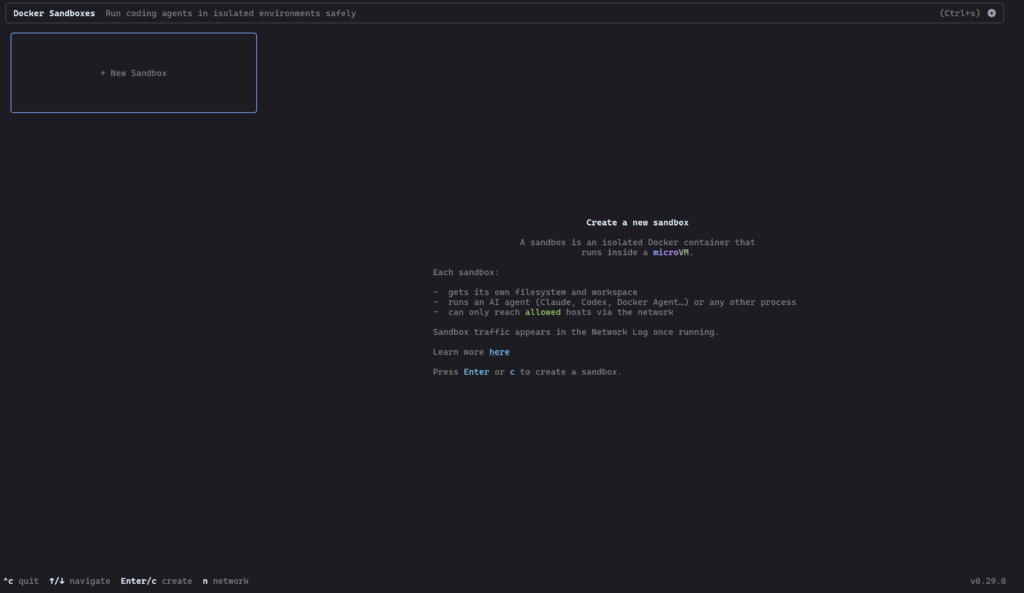
However today is the first day I’ll be taking a very brief look at Docker AI Sandboxes, to try and do more of this locally and or on machines nearby…
Read more

mwcli (a MediaWiki focused command line tool targeting developers) over the years

mcwli includes the third of so generation of “developer environments” that I have made for MediaWiki over the years. You can see the backstory in this earlier post.

Since the early days of 2022, there has been optional metric collection included within the mwcli tool.

This metric collection simply collects what command you run, and when you run it (without any parameters or inputs) so that the data can be aggregated, and the various commands usage can be graphed.

Each command run includes something like:

Commanddocker mediawiki exec
DateTime2025-01-07T12:45:18.213Z
Version0.25.1

I used to have live (ish) graphs in the Wikimedia Superset installation, however, the queries there appear to fail now. So I took some time to export the dataset as a CSV, and shove it around a bit in a Python notebook.

Read more

Automatic cobra command registration with fx

Cobra is a popular Go package for creating CLIs. It provides a lot of functionality for creating commands, subcommands, and flags. However, it can be tedious to manually register all of your commands.

fx is a Go package that provides a dependency injection framework. It can be used to automatically register your application components, including but not limited to Cobra commands.

In this blog post, I will show you how you can use fx to automatically register your Cobra commands.

This code was written 5 minutes ago, but works, and I imagine it could help folks bootstrap more complex CLIs rapidly.

The problem

When you create a Cobra command, you need to manually register it with the root command. This can be tedious, especially if you have a lot of commands.

For example, the following code registers a command called hello:

func NewHelloCmd() *cobra.Command {
  cmd := &cobra.Command{
    Use:   "hello",
    Short: "Say hello",
    Run: func(cmd *cobra.Command, args []string) {
      cmd.Println("Hello, world!")
    },
  }
  return cmd
}

func main() {
  rootCmd := &cobra.Command{
    Use:   "myapp",
    Short: "My application",
  }
  rootCmd.AddCommand(NewHelloCmd())
  rootCmd.Execute()
}Code language: Go (go)

Read more

dockerit v0.0.5 (Easier than docker run)

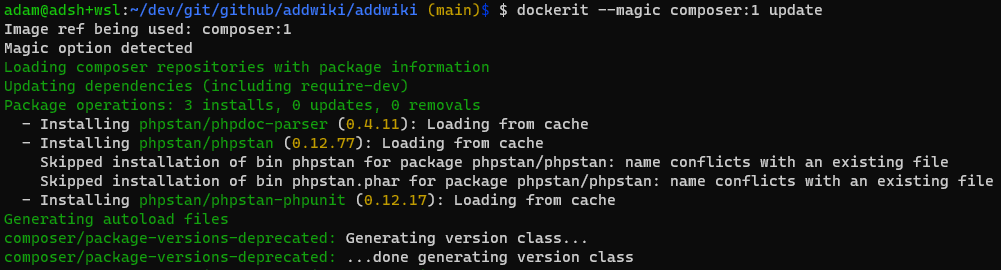
dockerit is a small CLI tool that I have been working on during the start of 2021. It’s intended to make running one off commands and CLI tooling easier in docker. Rather than having to write a long string of parameters for docker run, instead you can just use dockerit. This applies to both CLI usage, but also via bash aliases.

You can download a build binary of dockerit from the Github releases page.

Read more