Smart Home: 1.5 years of Aqara Temperature and Humidity Sensors

As one of the initial steps in my smart home journey back in November 2023, I purchased a set of 12 Aqara Temperature and Humidity Sensors for £101 (approximately £8 each) from Aliexpress. Today, this same set is available for around £89, or £7.40 each.

This was the start of my Zigbee experiments, and you can read more about the initial setup in my first post talking about my initial setup and home assistant dashboarding.

Since then, my Zigbee mesh has continued to expand with a bunch of powered devices, and I have had to start my first round of battery changes on the Aqara sensors. There have also been some power cuts leading to my hub turning off, many home assistant restarts and upgrades, and I feel that I have some more to share.

To this date I have still only permanently fixed one of these sensors in any way, most of them are just resting in nice out-of-the-way places, or on top of door frames.

Read more

Smart Home: Automated zonal lights with Aqara FP2, Samotech Zigbee Dimmers, and Node-Red

At some point in 2024 I bought an Aqara FP2 human presence sensor to try and automate the lights in my main open-plan living space. I have been running the installation for nearly a year, now have plans for the future and want to take this opportunity to do a quick write-up on how I have things configured, and how they have been working.

The room

Firstly, a little introduction to the space that I’m playing with…

It’s a kitchen, dinning, living space, with a main single entrance door, as well as large opening bifold doors to the back (both highlighted with red lines). The main flow of people in and out is indicated by the orange arrow on the right, which comes through the main single entrance door.

Read more

Smart Home: A fleet of Temperature and Humidity Sensors

One of the easiest ways to get myself into the Zigbee life without needing to worry too much about exactly what I was doing, buying or what my goals were was to buy a set of Temperature and Humidity Sensors for every room of the house.

After a tiny amount of research and some discussion among friends, I settled on a fleet of Aquara sensors. These work well with home assistant, use batteries that I have many of already and want to use up, are visually appealing and can be bought in bulk on AliExpress.

For a hub, I went for the SMLIGHT SLZB-06 that has some good reviews in terms of flexibility and openness, as well as allowing use via wired network, Wi-Fi or even USB.

Everything was extremely easy to set up, wiring the hub into the network and having it appear in Home Assistant running on my Raspberry Pi 4, and then pairing each of the sensors with the Hub and having them appear within Home assistant.

Read more

Smart home: Starting with OPNSense Router, Eero Wi-Fi and a pile of cables

I recently moved into a home, that whether I like it or note, is rather “smart”.

There is a Ring video doorbell, Ring camera out the back and Wi-Fi radiators throughout, not to mention the Wi-Fi fridge, dishwasher, washing machine, hot water tank and Amazon Echo Dot that I was recently gifted.

In total, I think there are around 18 Wi-Fi devices in the house before I add any of my own.

Router choice

When first moving in, I only had an old Netgear WNR1000v3 router that would barely give a single client 40MBps connection, let alone be able to support 20+ devices moving forward. It also really couldn’t handle the fibre internet speed, given it is from 2011.

I also tried an old Plusnet hub that I had kicking around, but apparently they lock the PPPoe details to only allow Plusnet accounts?

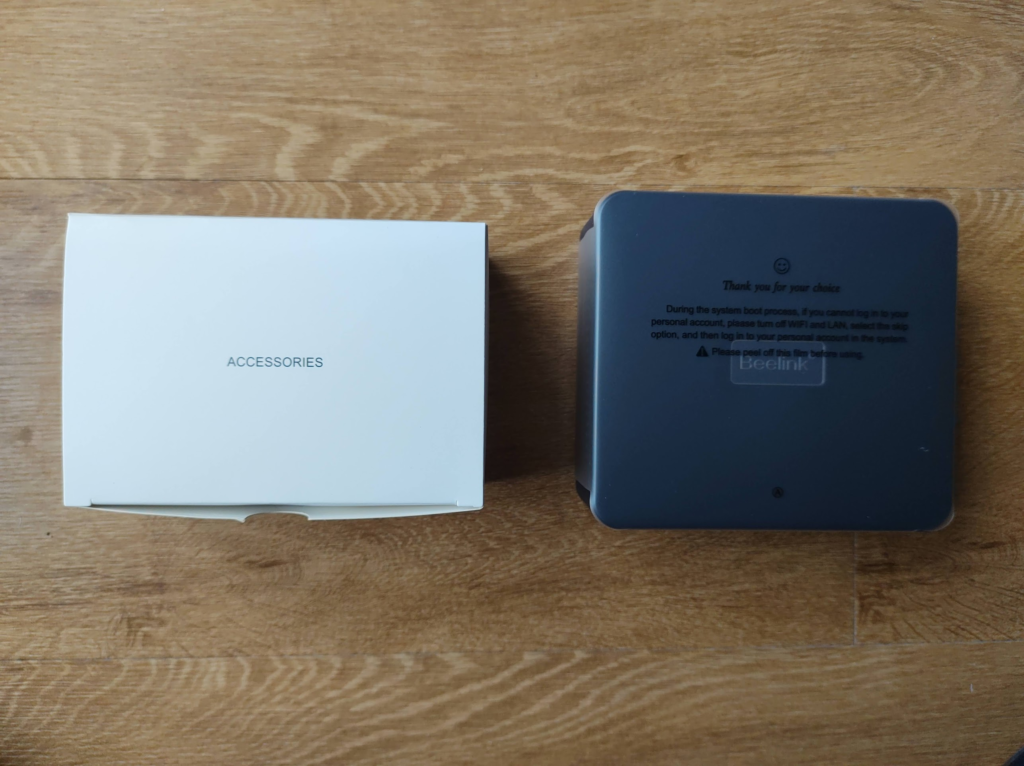
Trusting the advice of my dear friend Ollie after discussing his “2022.11.14 Low Power Firewall” research spreadsheet, I settled on buying a Beelink U59 Pro N5105 mini PC (that would also arrive the next day).

You can find a good performance review including power benchmarks for this device on CNX Software.

Read more